sales@megameds.store



 Cart is empty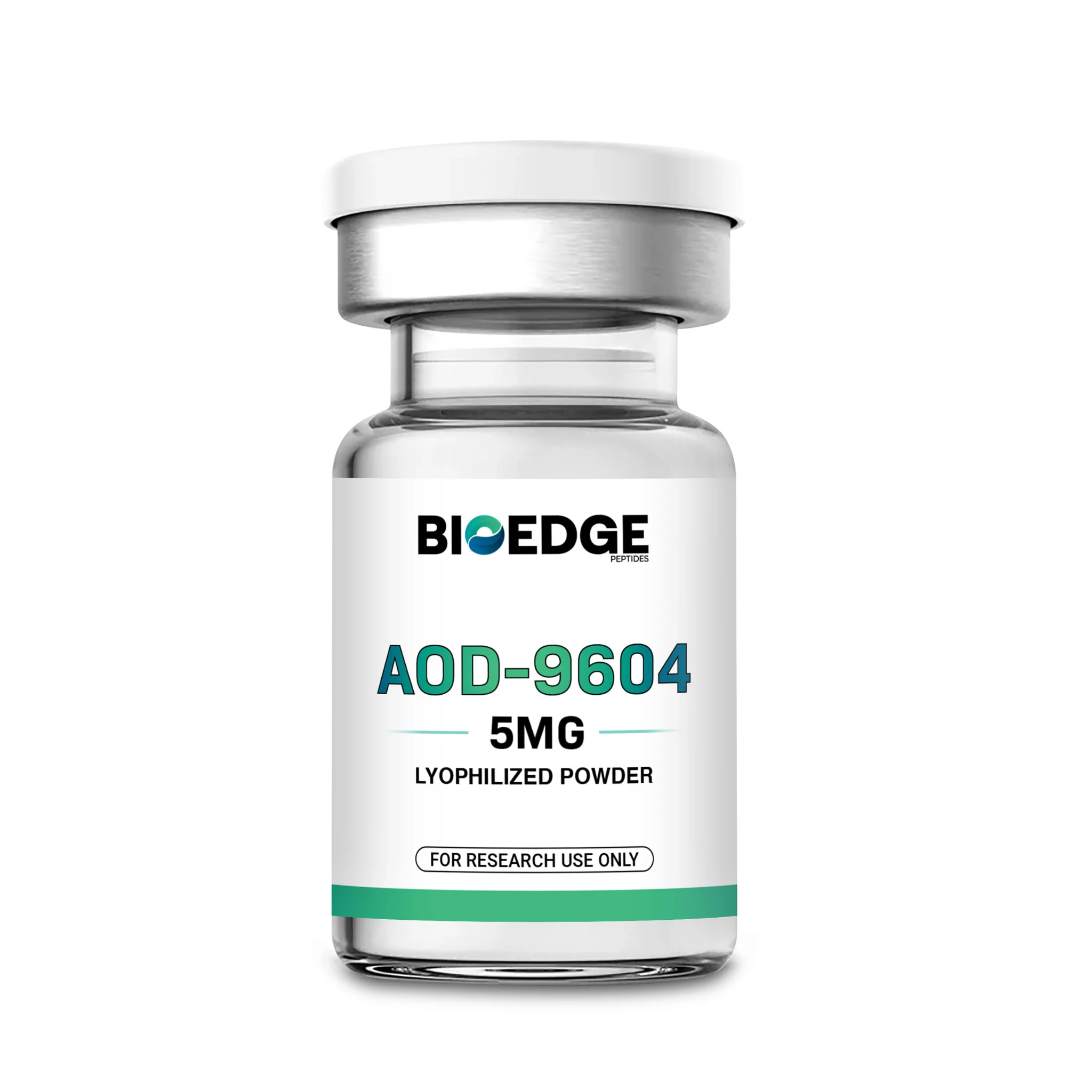
- Stimulating lipolysis (breakdown of stored fat)
- Inhibiting lipogenesis (formation of new fat cells)
- Acting on fat tissue without significantly affecting IGF-1 levels
- Avoiding typical growth hormone-related metabolic effects
- Support for fat metabolism
- Possible reduction in body fat accumulation
- No significant increase in blood glucose or IGF-1 levels (in studies)
- Interest in body recomposition research
- Minimal hormonal disruption compared to HGH
- Early studies showed modest fat reduction signals
- Larger Phase IIb trials failed to show strong statistically significant weight loss outcomes
- Development as a pharmaceutical obesity drug was discontinued
AOD-9604: Uses, Benefits, Side Effects, Safety, and Scientific Evidence (2026 Guide)
What Is AOD-9604?
AOD-9604 is a synthetic peptide fragment derived from human growth hormone (HGH), specifically from the C-terminal region (commonly referred to as HGH fragment 176–191). It was originally developed as a potential anti-obesity compound designed to isolate the fat-burning effects of growth hormone without its full hormonal impact.
It is widely discussed in research and fitness communities for its possible role in fat metabolism and body composition, but it is important to understand that it is not an approved medication for weight loss in most countries.
How AOD-9604 Works
AOD-9604 is believed to target fat metabolism pathways rather than directly increasing muscle growth or overall growth hormone levels.
Proposed mechanisms include:
Unlike full HGH, it is designed to focus specifically on fat tissue activity rather than systemic hormonal changes.
AOD-9604 is a modified peptide fragment derived from the C-terminal region of human growth hormone (HGH), specifically comprising amino acids 177 to 191. Researchers developed this synthetic compound to isolate the lipolytic (fat-burning) properties of HGH while eliminating its growth-promoting and insulin-altering effects. As a licensed pharmacy dedicated to patient education, we provide accurate, evidence-based information on metabolic research compounds like AOD-9604 to help you understand its pharmacological profile and current investigative status.
Potential Benefits (Research Context)
Based on preclinical studies and limited human trials, AOD-9604 is associated with:
⚠️ Important: Later-stage clinical trials did not consistently confirm strong weight loss results in humans, which limited its development as an approved obesity treatment.
AOD-9604 in Clinical Research
AOD-9604 was studied in obesity-related trials involving humans and animals.
Key findings include:
Despite this, it continues to be studied in metabolic and tissue repair research contexts.
How AOD-9604 Influences Lipid Metabolism
When scientists analyze fat metabolism, they focus on how the body breaks down and stores lipids. AOD-9604 directly targets this process by stimulating lipolysis—the breakdown of triglycerides into free fatty acids—and inhibiting lipogenesis, the formation of new fat cells. Unlike full-length HGH, which can cause insulin resistance and joint pain, this specific fragment avoids binding to growth hormone receptors in most tissues. Consequently, researchers believe it offers a targeted approach to metabolic regulation without the systemic side effects associated with traditional growth hormone therapy.
Research Applications of the AOD-9604 Peptide
Healthcare providers and pharmacologists primarily investigate this peptide for its potential role in managing obesity and metabolic syndrome. While traditional GLP-1 receptor agonists like exenatide or dual agonists like survodutide and mazdutide regulate appetite and energy expenditure through central nervous system pathways, AOD-9604 acts more directly on peripheral fat tissue. Researchers often compare its localized lipolytic effects with other specialized peptides, such as tesamorelin and the closely related HGH Fragment 176-191, to determine the most effective strategies for visceral fat reduction.
Safety Profile and Clinical Findings of AOD-9604
Clinical trials evaluating AOD-9604 in obese human subjects demonstrated a favorable safety profile. Phase II studies indicated that the peptide was generally well-tolerated, with participants experiencing no significant changes in blood glucose levels, insulin sensitivity, or IGF-1 (Insulin-like Growth Factor 1) concentrations. The most commonly reported adverse events were mild and comparable to placebo. However, because the compound did not achieve the expected weight-loss milestones in later-stage trials, its commercial development was largely paused, shifting its primary status to a research chemical.
Regulatory Status and Future Availability of AOD-9604
It is crucial to understand that AOD-9604 has not received FDA approval for human prescription or commercial sale. Regulatory agencies classify it strictly as a research peptide. Patients and researchers interested in metabolic therapies must consult qualified medical professionals. For the most current data on peptide research, you can review official registries like ClinicalTrials.gov (National Library of Medicine) or the FDA’s Drug Development Pipeline.
Consult Your Pharmacist About AOD-9604
As your trusted healthcare partner, our pharmacy team advises relying only on FDA-approved medications for clinical treatment. If you seek to manage metabolic health or body composition, speak with your doctor about approved therapies and the latest clinical research surrounding AOD-9604. We remain committed to supporting your health journey with safe, evidence-based pharmaceutical guidance.
Frequently Asked Questions
Is AOD-9604 a fat-burning drug?
It is a peptide studied for fat metabolism, but it is not an approved fat-loss drug.
Does AOD-9604 actually work for weight loss?
Human clinical results have been inconsistent, and it did not succeed as a commercial obesity treatment.
Is AOD-9604 the same as HGH?
No. It is only a fragment of HGH and does not function like full growth hormone.
Can AOD-9604 build muscle?
It is not designed for muscle building and does not directly stimulate muscle growth.
Is AOD-9604 safe?
Short-term studies suggest tolerability, but long-term safety in humans is not well established.
Only logged in customers who have purchased this product may leave a review.
Related Products

Reviews
There are no reviews yet.