Sermorelin is a synthetic peptide and a truncated analog of endogenous growth hormone-releasing hormone (GHRH). Specifically, it consists of the first 29 amino acids of the 44-amino acid sequence found in natural GHRH. As a licensed pharmacy dedicated to patient education, we provide accurate, evidence-based information on specialized peptides like sermorelin to help you understand its pharmacological profile and clinical applications.
How Sermorelin Stimulates Growth Hormone Release
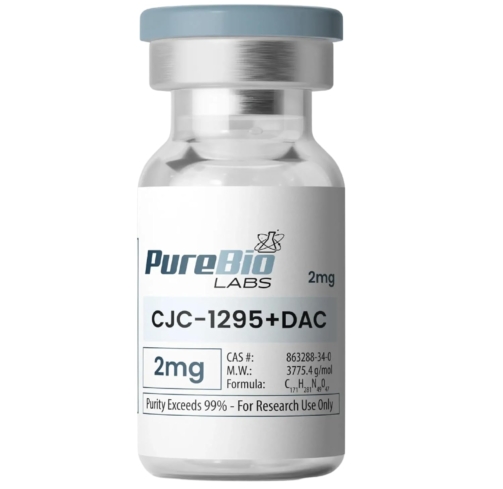
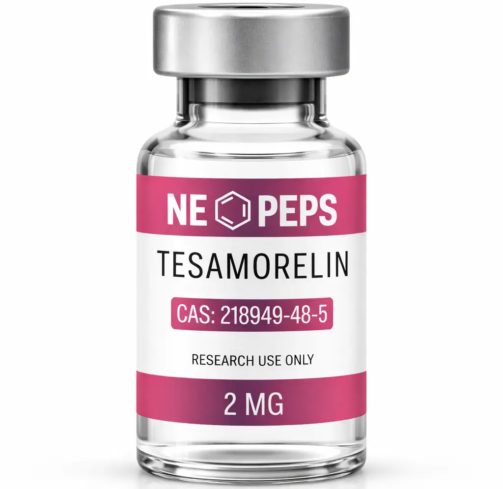
When you administer this peptide, it binds directly to GHRH receptors located in the anterior pituitary gland. This binding action triggers the natural, pulsatile secretion of endogenous growth hormone. Consequently, the liver responds by producing Insulin-like Growth Factor 1 (IGF-1). Unlike direct exogenous human growth hormone injections, which can suppress the body’s natural production, this peptide amplifies your existing physiological pathways. Researchers often compare this mechanism to other secretagogues like Tesamorelin and CJC-1295.
Clinical and Research Applications of Sermorelin
Healthcare providers historically utilized this medication to diagnose growth hormone deficiency in children. Today, compounding pharmacies frequently prepare sermorelin for off-label use in adult hormone replacement and wellness clinics. While researchers study metabolic peptides like exenatide for diabetes, clinicians prescribe this GHRH analog to support healthy aging, recovery, and overall well-being. Additionally, practitioners often combine it with other compounds, such as Ipamorelin, to maximize growth hormone release while minimizing side effects.
Sermorelin Compared to Other Peptides
The landscape of growth hormone secretagogues includes several distinct compounds. While traditional short-acting peptides offer brief stimulation pulses, researchers frequently modify other molecules to extend their half-lives. For instance, CJC-1295 includes a Drug Affinity Complex to prolong its activity. Furthermore, Tesamorelin holds a specific FDA approval for reducing excess abdominal fat in HIV patients. In contrast, specialized lipolytic fragments like AOD-9604 and HGH Fragment 176-191 target fat metabolism directly without significantly altering systemic growth hormone levels.
Safety Profile and Side Effects of Sermorelin
Clinical evaluations demonstrate that this peptide generally exhibits a favorable safety profile when administered under strict medical supervision. Because it relies on the body’s natural feedback loops, it carries a lower risk of severe hormonal suppression compared to exogenous growth hormone. The most frequently reported adverse events include mild injection site reactions, temporary flushing, and headaches. However, patients must monitor their glucose levels, as elevated growth hormone can occasionally impact insulin sensitivity.
Regulatory Status and Compounding of Sermorelin
It is crucial to understand that the FDA discontinued the original branded version of this medication (Geref) in 2008. Today, it remains available strictly through licensed compounding pharmacies for individualized patient prescriptions. It does not possess current FDA approval for anti-aging or general wellness indications. For authoritative guidance on peptide regulations, refer to the FDA Compounding Guidelines or MedlinePlus (National Library of Medicine, Domain Authority: 94).
Consult Your Pharmacist About Sermorelin
As your trusted healthcare partner, our pharmacy team ensures you understand your prescribed therapies. If you seek to manage endocrine health, speak with your doctor about how this peptide fits into your comprehensive care plan. We remain dedicated to supporting your health journey with safe, evidence-based pharmaceutical care.


 Cart is empty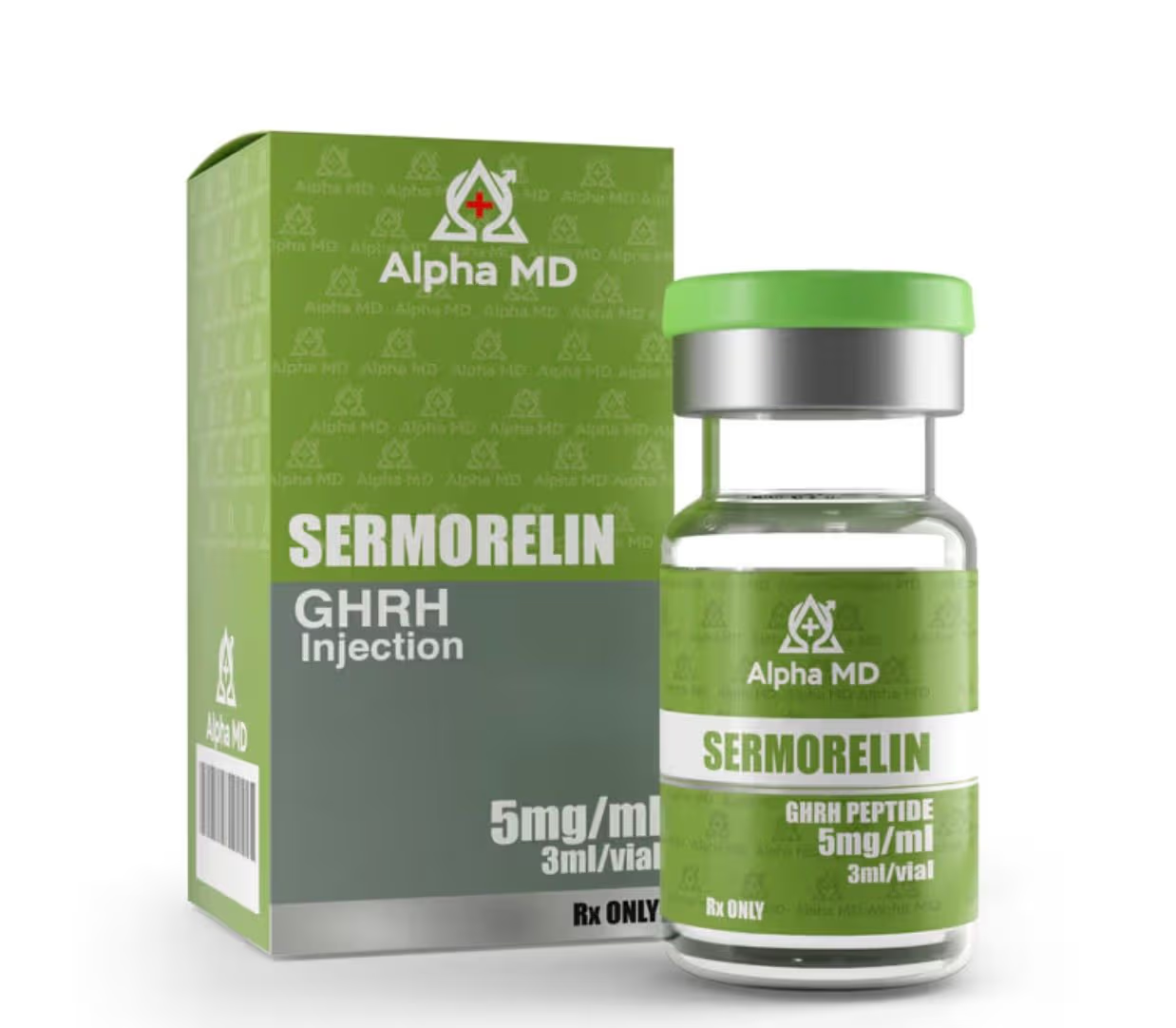


Reviews
There are no reviews yet.